Cacao is older than language. Before it was chocolate — before sugar, before milk, before the bar — it was a bitter ceremonial drink that the Olmec, Maya, and Mexica reserved for births, deaths, marriages, council, and prayer. To sit with ceremonial cacao today is to sit with one of the oldest continuously practiced rituals on the continent.
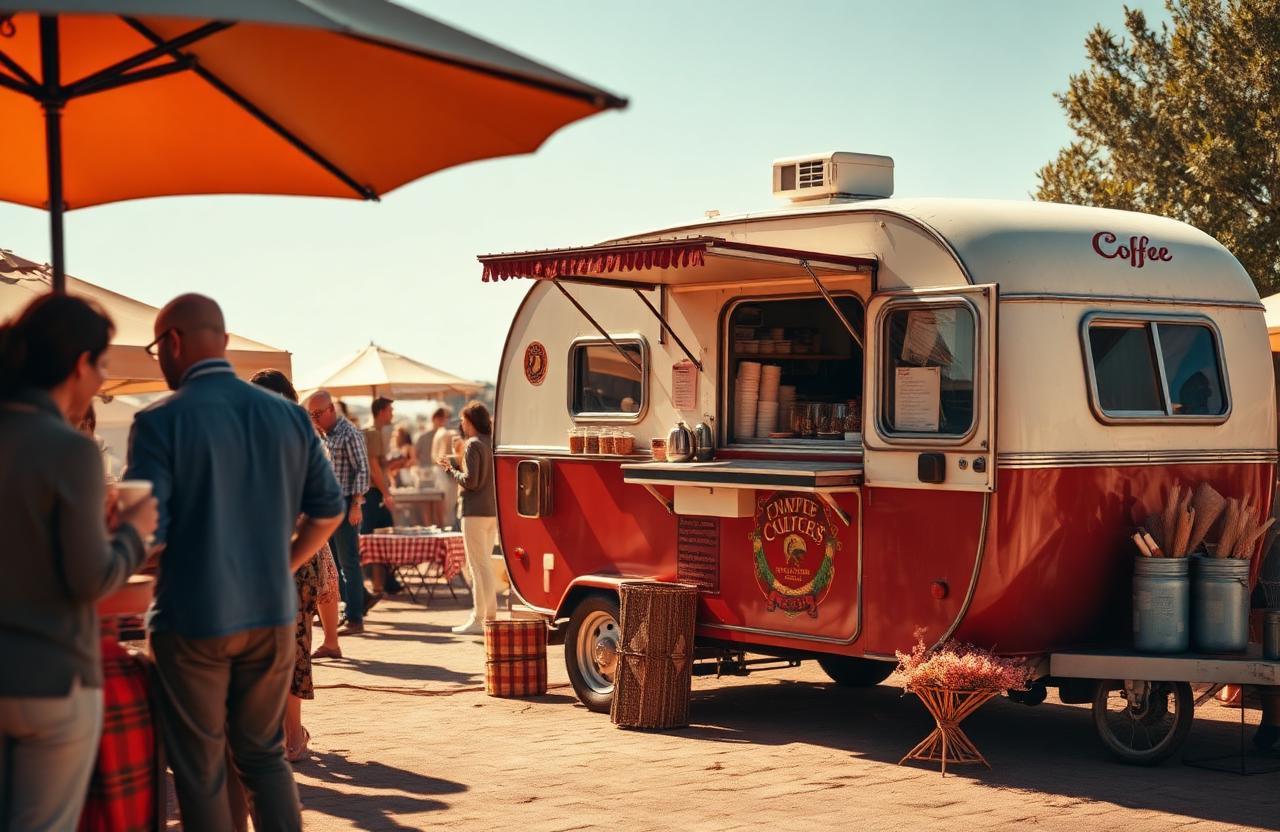
We make and drink a lot of cacao at the trailer. Customers ask us, often quietly, what makes a cup 'ceremonial' versus a hot chocolate. The honest answer is: not the bean. The intention. But the bean matters too. Here is what we have learned, sitting with elders in Guatemala, sourcing from a small co-op in the Ecuadorian Amazon, and brewing thousands of cups for ourselves and others.
§A four-thousand-year lineage
The earliest chemical traces of cacao consumption come from Olmec pottery in the Gulf lowlands of what is now Veracruz, dated to roughly 1900 BCE. By the Classic Maya period (250–900 CE), cacao was money, medicine, and sacrament — beans were counted out as currency, ground into bridal drinks, and poured at the funerals of kings. The Popol Vuh names cacao among the foods the gods used to make the first humans. The Mexica (Aztec) inherited the practice and reserved the strongest preparations for warriors, priests, and the noble class; Moctezuma II is said to have drunk fifty golden cups a day, foamed cold with chili, vanilla, and achiote.
The Spanish met cacao in 1519 and immediately misunderstood it. They added cane sugar, removed the chili, warmed it with milk, and sent it to Europe as a luxury — and within two centuries had completely severed the bean from its ceremonial root. What survived, survived underground: in the kitchens of Maya grandmothers, in the highland villages around Lake Atitlán, in the Q'eqchi' communities of Alta Verapaz, in pockets of Oaxaca and Chiapas where the old recipes were passed down quietly, mother to daughter, through five centuries of conquest.
What we call the 'modern cacao ceremony' is a recent reweaving — Maya elders re-opening the practice to outsiders in the 1990s and 2000s, often as a way to fund land defense and language preservation. When you drink ceremonial cacao today, you are participating in something both ancient and brand new: a tradition being deliberately, carefully shared back into the world.
§What ceremonial cacao actually is
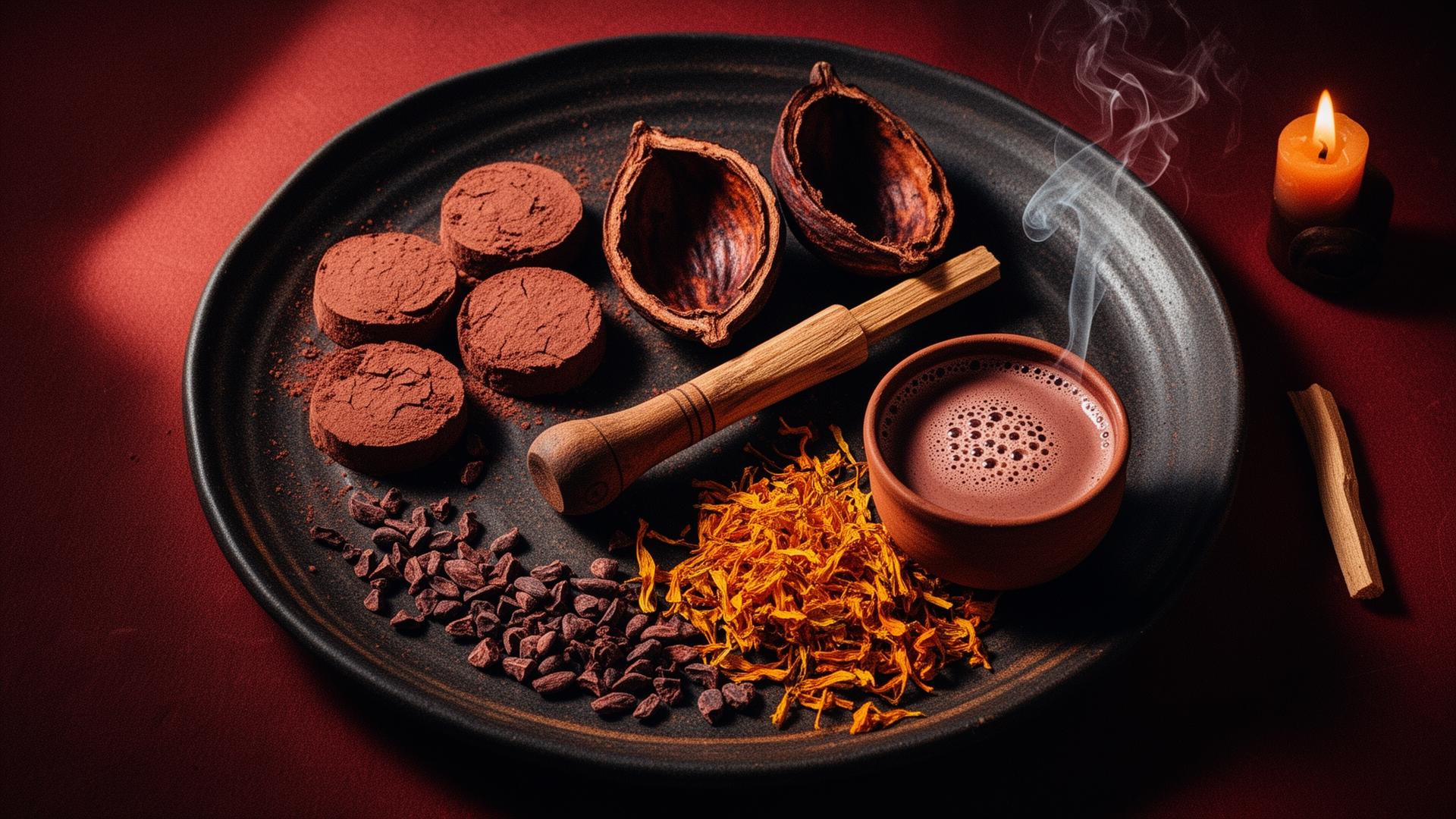
Ceremonial cacao is pure cacao paste — 100% cacao, nothing added, nothing removed. The whole bean is fermented, sun-dried, lightly roasted, peeled by hand, and stone-ground until the cocoa butter melts and the mass pours like dark honey. It is then poured into discs or bricks and allowed to set. No sugar. No lecithin. No alkalization. No defatting.
What you taste is the bean, the soil, the fermentation, and the hands that touched it. A good ceremonial cacao is bitter, earthy, faintly fruity, and finishes with a long warmth in the chest. Within twenty minutes you feel it: a soft opening behind the sternum, a quieting of the head, a gentle alertness that is nothing like caffeine.
§Varieties, terroir, and why it matters
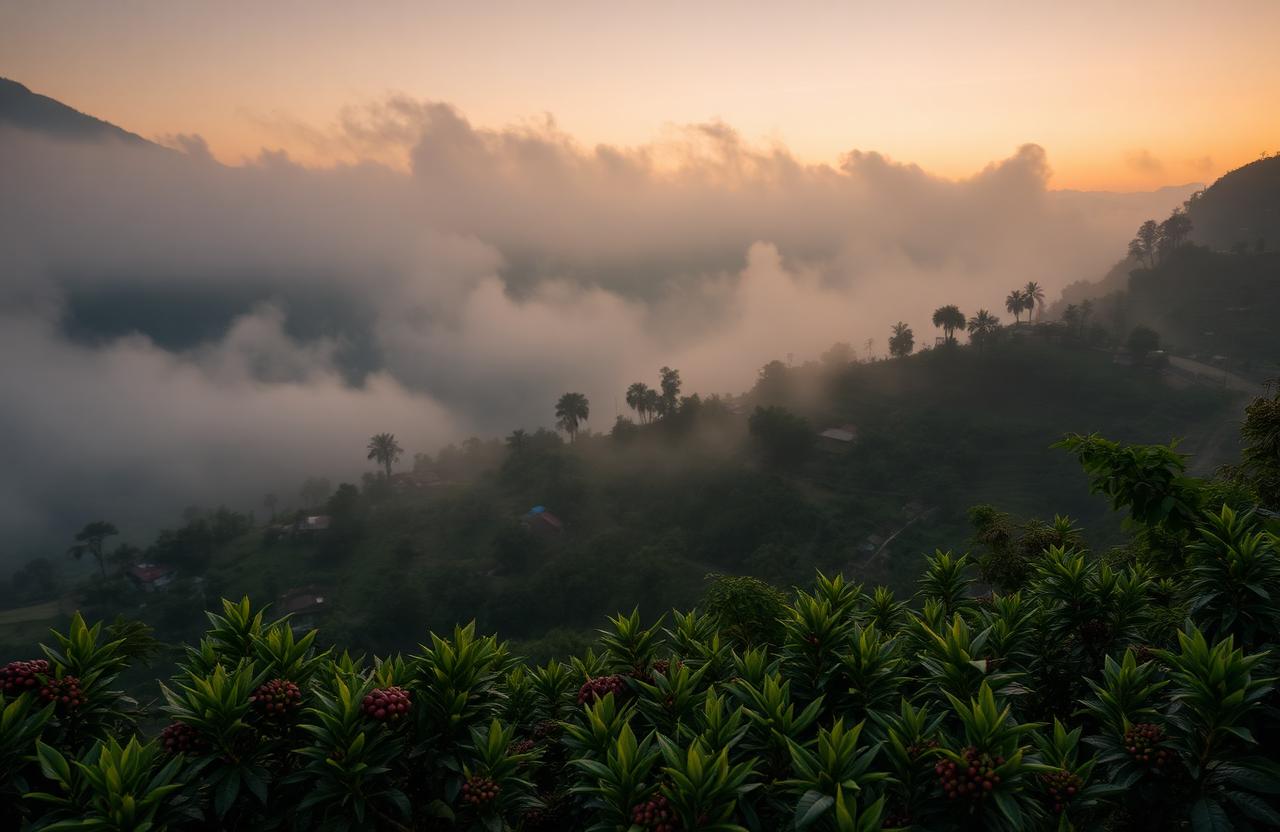
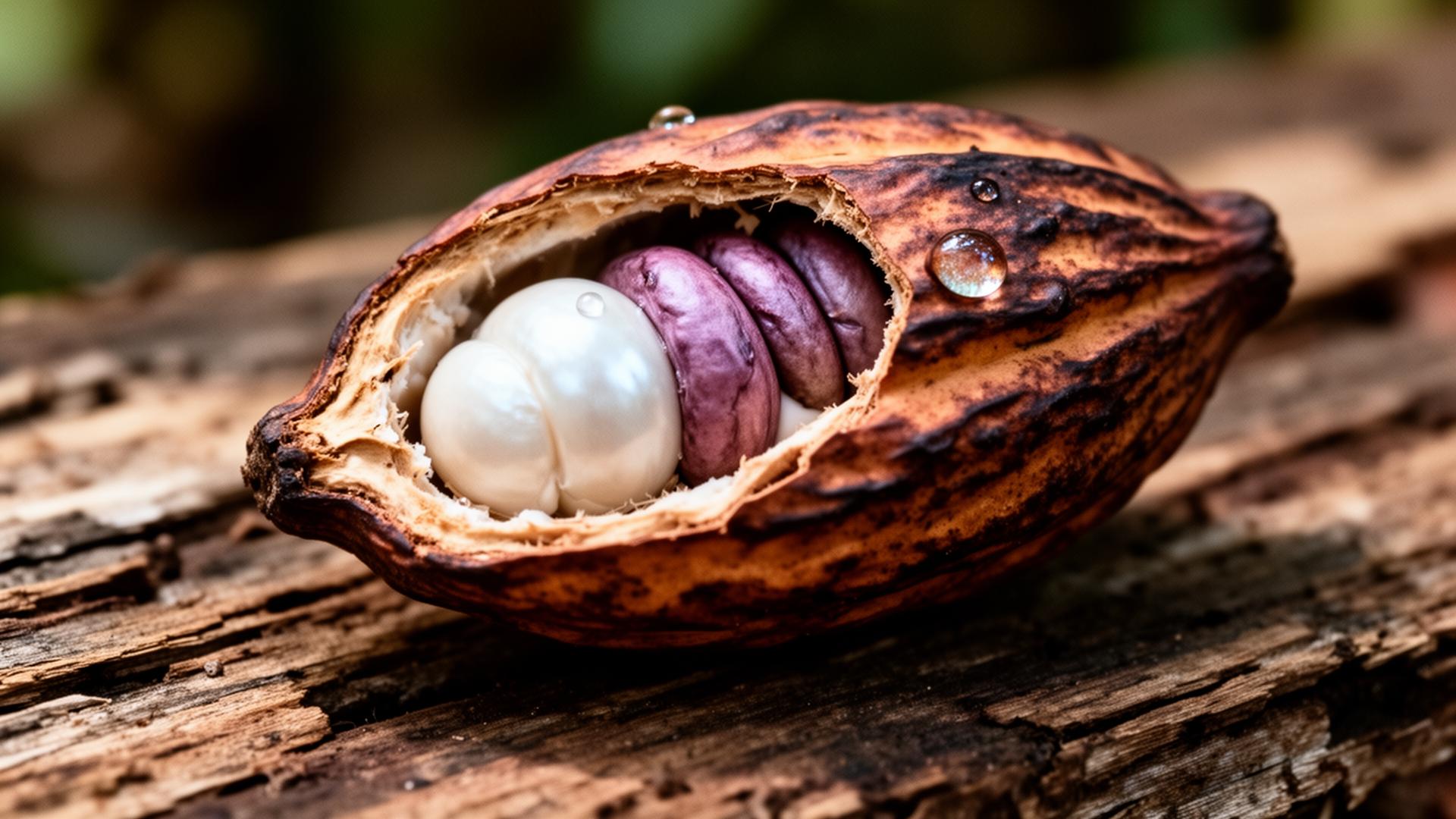
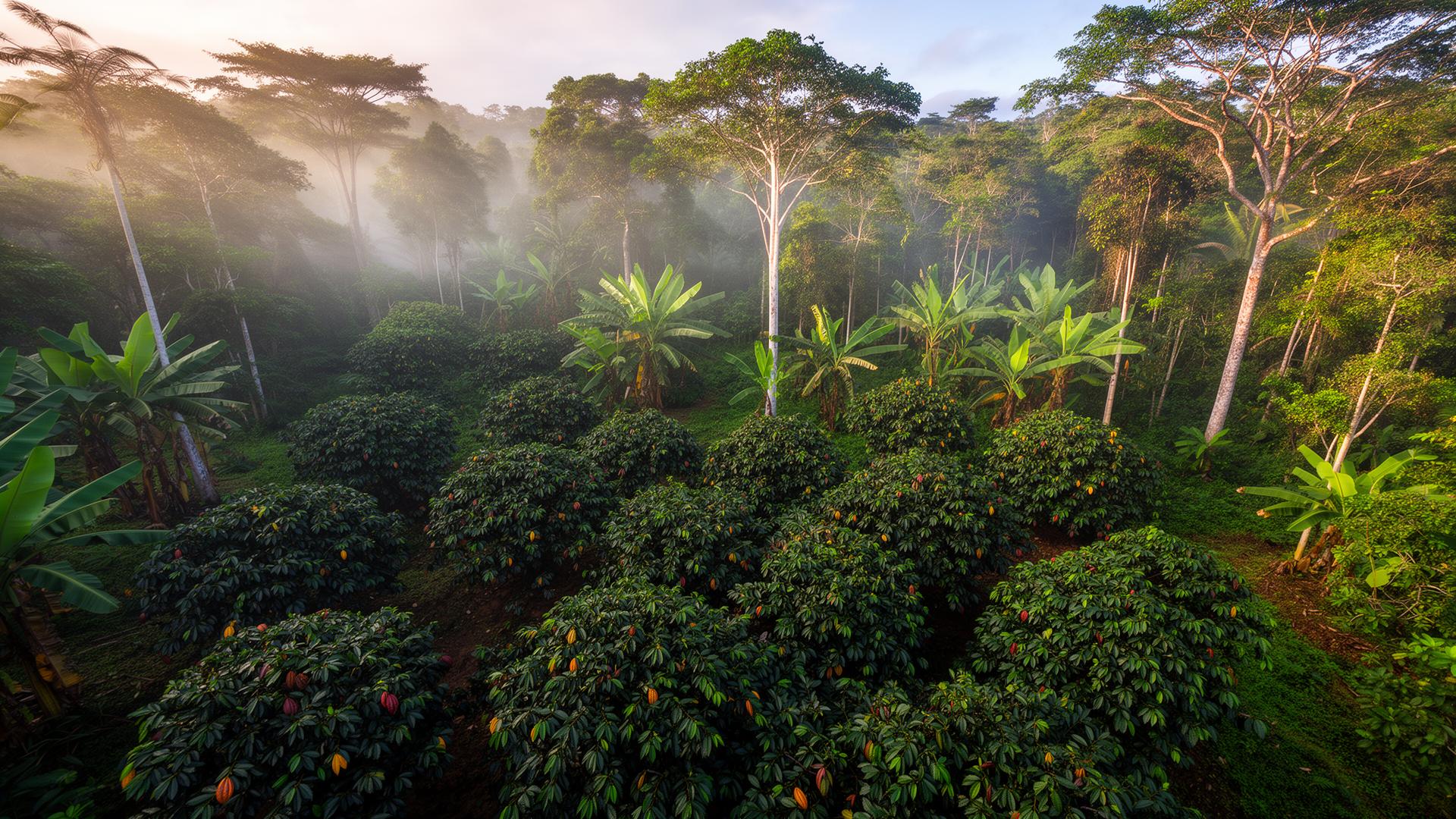
Most of the world's cacao — about 80% — is Forastero, a hardy, high-yielding workhorse variety bred for industrial chocolate. It is rarely worth drinking on its own. The varieties used for ceremony come from the older, finer-flavored families: Criollo (the original Mesoamerican bean, almost lost), Nacional (Ecuador's heirloom Arriba type, prized for its floral aromatics), and the genetically diverse Trinitario hybrids. Within each, the cup changes wildly with altitude, soil, shade canopy, and rainfall — the same way coffee does.
A high-grown Criollo from the Lacandon jungle tastes like dark cherry, walnut, and red wine. A Nacional from the Ecuadorian Amazon leans toward jasmine, raisin, and toasted hazelnut. A Q'eqchi' Trinitario from Alta Verapaz is honey-thick and tobacco-warm. None of these tastes are accidents; they are written into the bean by the place it grew.
§Fermentation: where flavor is made
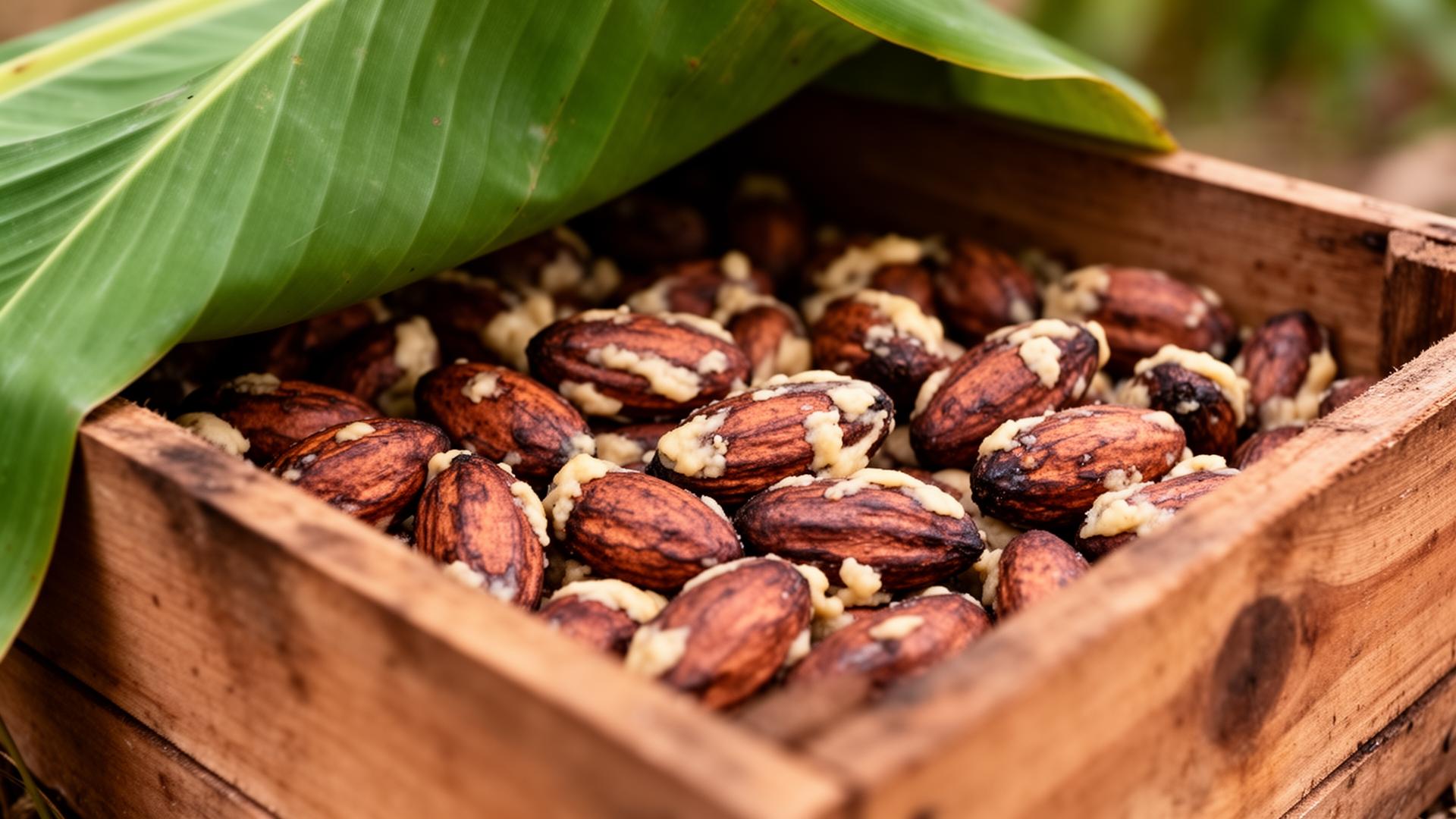
More than any other step, fermentation is what separates ceremonial cacao from industrial cocoa. After the pod is split, the wet beans (still wrapped in their sweet pulp) are piled into wooden boxes or banana-leaf mounds and left to ferment for five to seven days. Wild yeasts metabolize the pulp's sugars into alcohol; acetic-acid bacteria convert that alcohol to vinegar; the rising heat (up to 50°C inside the pile) kills the embryo and triggers a cascade of enzymatic reactions inside each bean. This is when the precursors of chocolate flavor — the hundreds of aromatic compounds you eventually taste — are born.
Under-fermented beans taste astringent, raw, and chalky. Over-fermented beans taste of ham and ammonia. The window is narrow, and skilled fermenters turn the piles by hand, multiple times a day, reading temperature and smell the way a baker reads dough. A good ceremonial bean is fermented to roughly 80–85% — enough to develop deep flavor, not so much that it loses brightness.
§Drying, roasting, and the slow stone
Fermented beans are spread on raised platforms and sun-dried for one to two weeks, raked daily, covered each night against the dew. Industrial dryers exist; they are faster and almost always worse. Sun-drying lets the bean breathe out its remaining moisture in stages, locking in the volatile aromatics that mechanical heat would simply burn off.
Roasting follows, and for ceremonial cacao the cardinal rule is light. A typical industrial roast pushes the bean to 130–150°C for the sake of uniformity and shelf life. A ceremonial roast hovers between 100°C and 115°C — just enough to develop the husk for peeling and bring out warmth, not so much that the medicinal alkaloids degrade. Many traditional producers still roast in clay comales over a wood fire, by hand, by smell.
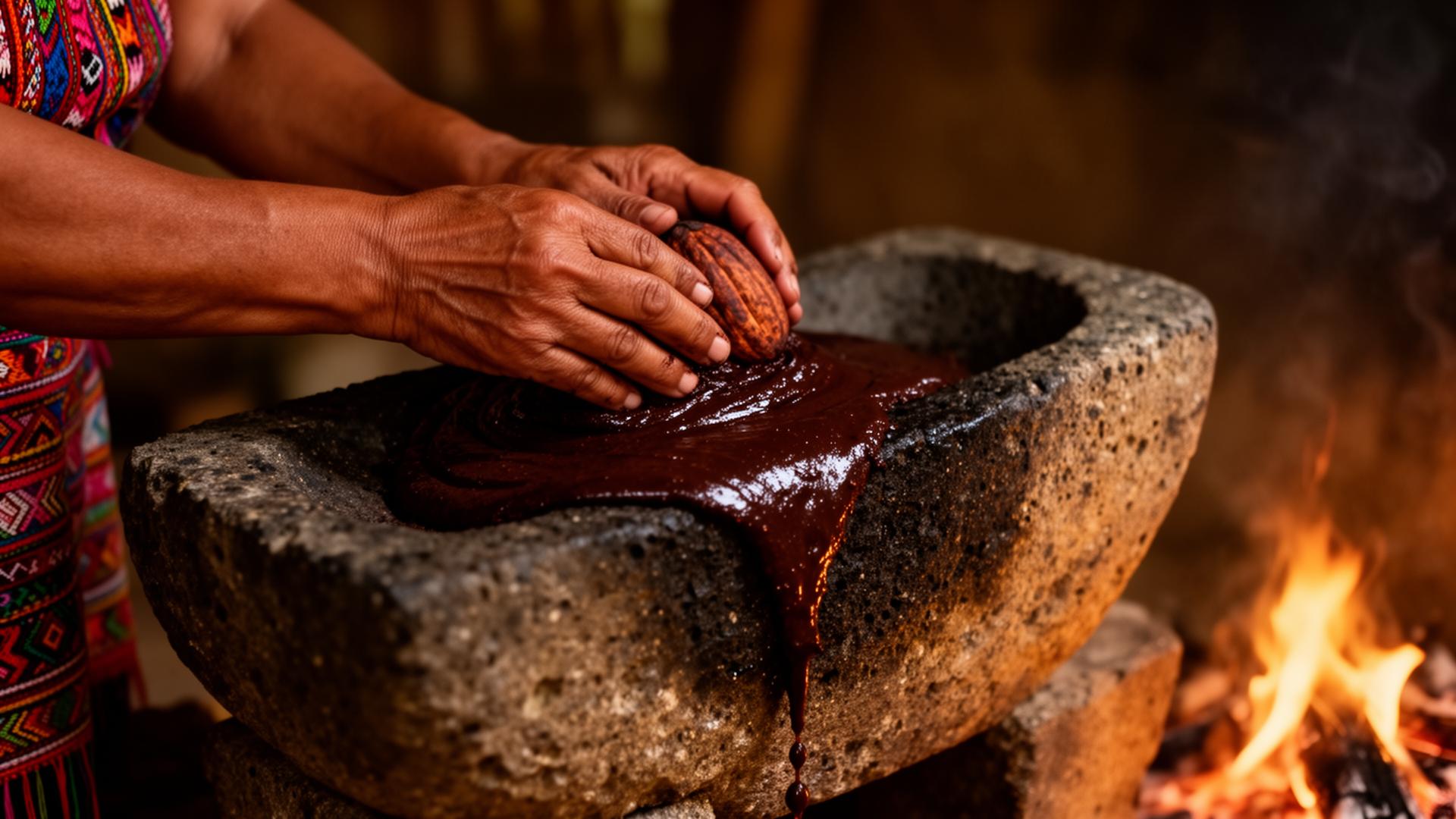
Then comes the metate — the volcanic-stone grinding slab the Maya have used for at least three thousand years — or its modern descendant, the granite stone-mill. The peeled nibs are crushed and re-crushed, sometimes for thirty-six hours, until the cocoa butter (which makes up roughly half the bean by weight) melts from the friction and the whole mass turns into a thick, glossy, pourable paste. No water is added. No sugar. No lecithin. The paste is poured warm into molds, cooled overnight, and broken into the discs and bricks you brew from.
Pure cacao contains theobromine — a gentle, long-acting cardiovascular stimulant — alongside small amounts of caffeine, anandamide (the 'bliss molecule'), phenylethylamine, and a wide cast of polyphenols. The combination is what curanderas call abrir el corazón: opening the heart. It dilates blood vessels, slightly raises core temperature, and reliably softens the edges of whatever you walked into the room carrying.
A ceremonial dose is between 28 and 42 grams of pure paste, depending on body and intent. That is roughly the size of a small chocolate bar — but undrinkable as candy. Brewed correctly with hot water and a pinch of spice, it becomes one of the most grounding drinks on earth.
We do not drink cacao to feel something new. We drink it to remember what we already are.
§A simple ceremony, six steps
You do not need an altar, a shaman, or a circle of strangers to sit with cacao. You need quiet, an hour, and the willingness to be honest with yourself for the length of one cup. This is the protocol we use most mornings.
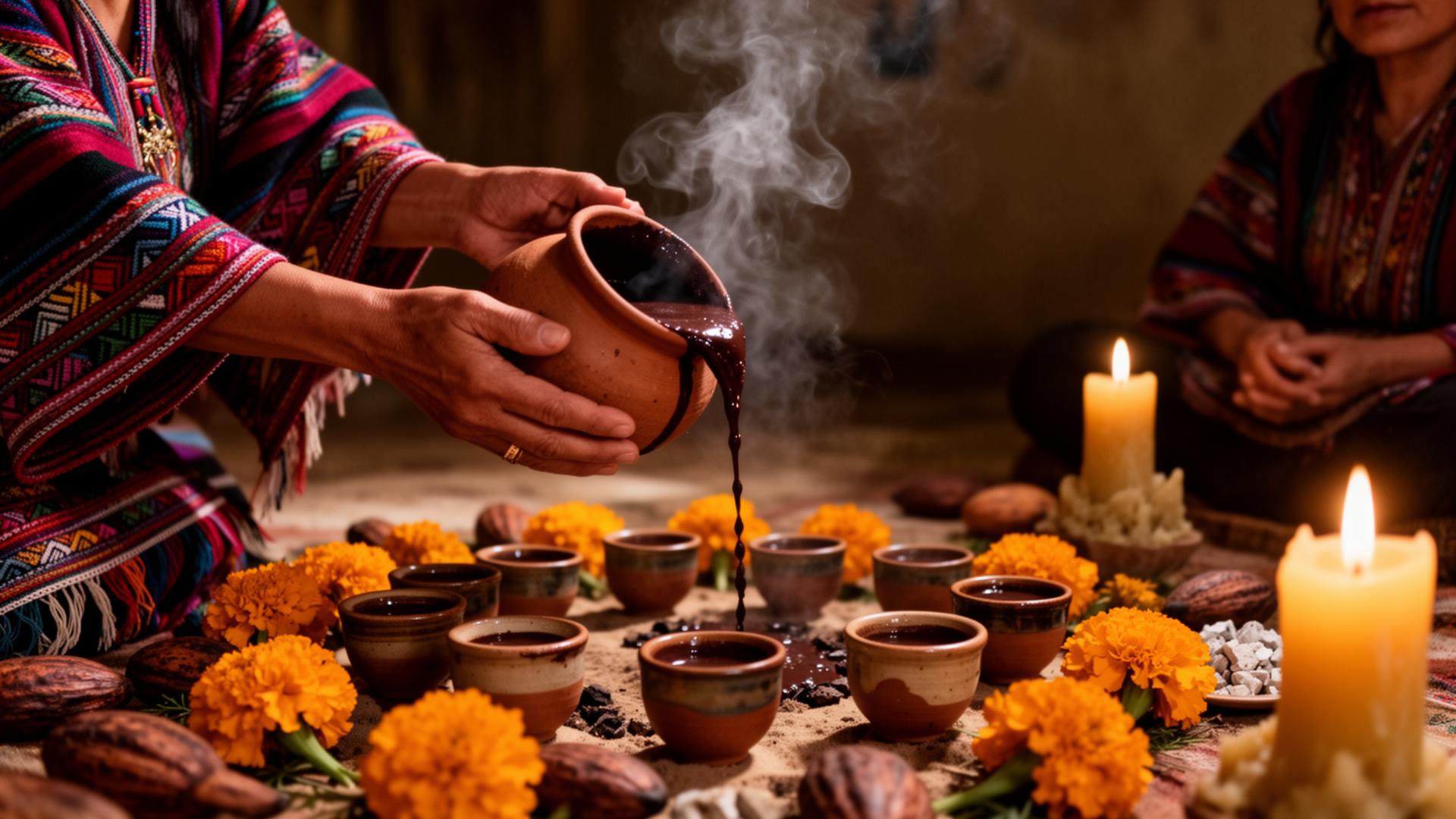
- 01Prepare the space. Clean the table. Light a candle. Put the phone in another room.
- 02Brew the cacao. Chop 30g of paste, whisk into 200ml hot (not boiling) water with a tiny pinch of cayenne and sea salt. No sugar. Optional: a half-teaspoon of raw honey if it is your first time.
- 03Set an intention. One sentence, said aloud or silent. Not a goal — a question, a softening, a thank-you.
- 04Offer the first sip. A few drops poured to the earth, or onto a plant, or simply set aside. This is older than us; we are guests.
- 05Drink slowly. Twenty to thirty minutes. Notice when the warmth arrives. Notice what arrives with it.
- 06Close. Three breaths. Thank the bean, the farmer, the mountain. Drink water. Move gently for the next hour.
§The recipe, written down
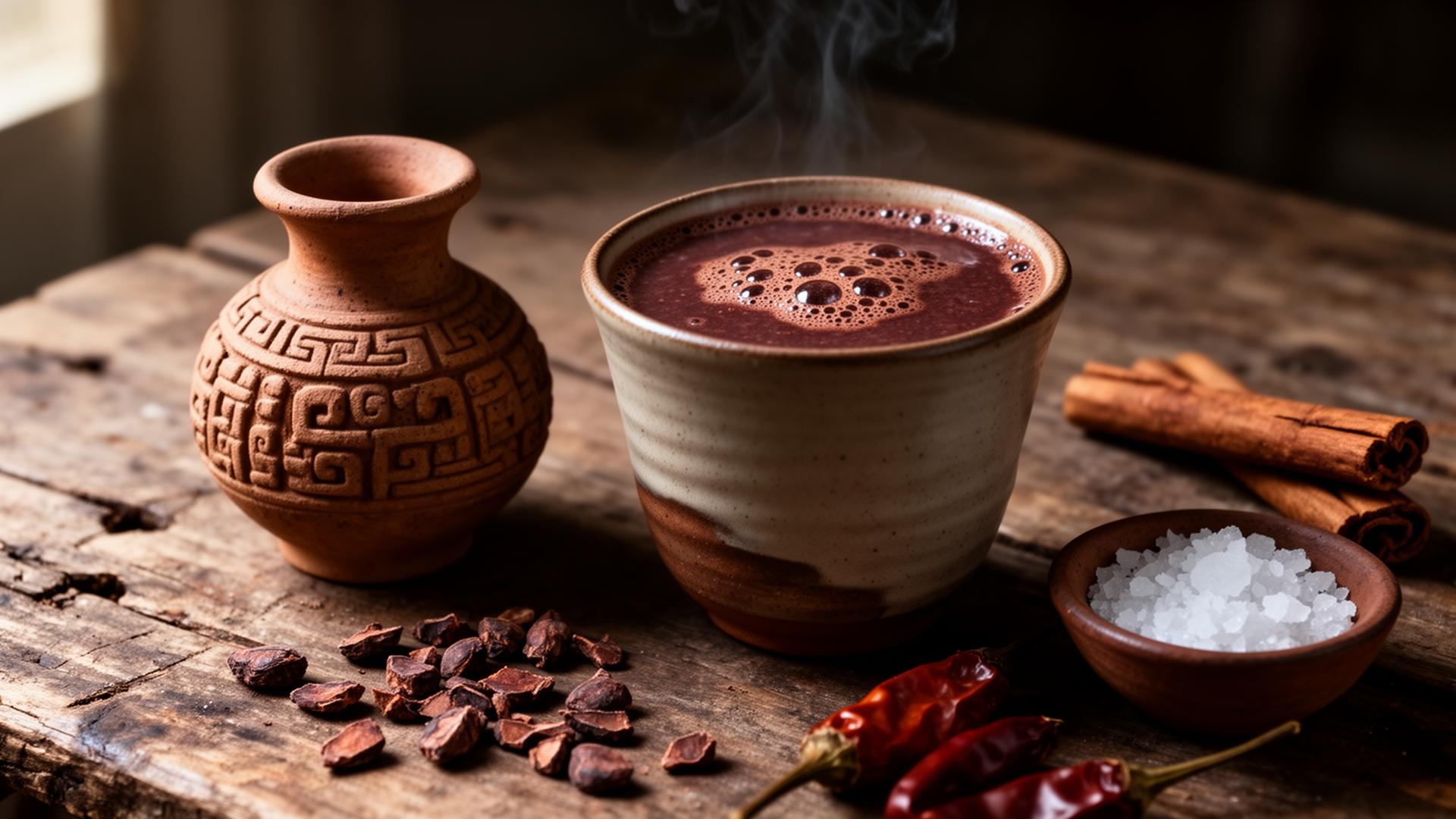
We get asked for the recipe constantly. Here it is, the way we brew it at the trailer when someone orders our Andean Cocoa.
- 0130 g ceremonial-grade cacao paste, finely chopped
- 02200 ml filtered water, brought just below a simmer (~85°C)
- 031 small pinch flaky sea salt
- 041 small pinch cayenne or a half-inch piece of fresh chili
- 05Optional: 1/2 tsp raw honey, a crushed cardamom pod, or a single drop of vanilla
Whisk vigorously with a molinillo or a small bamboo whisk for at least a minute, until a thick foam crowns the cup. Pour. Drink slowly, ideally somewhere quiet. The foam is the soul of the drink — in Mesoamerican tradition, it is the part offered to the gods first.
§Common practices around the cup
Different lineages hold different forms, and we are not the authorities on any of them. But across the traditions we have been welcomed into — Maya K'iche', Q'eqchi', and a handful of Andean communities working with cacao alongside coffee — a few practices recur.
- 01Sunrise and sunset are the most common ceremonial times. The body is most receptive when the light is changing.
- 02Cacao is often paired with breath, song, or silence — rarely with conversation. The medicine works inwardly first.
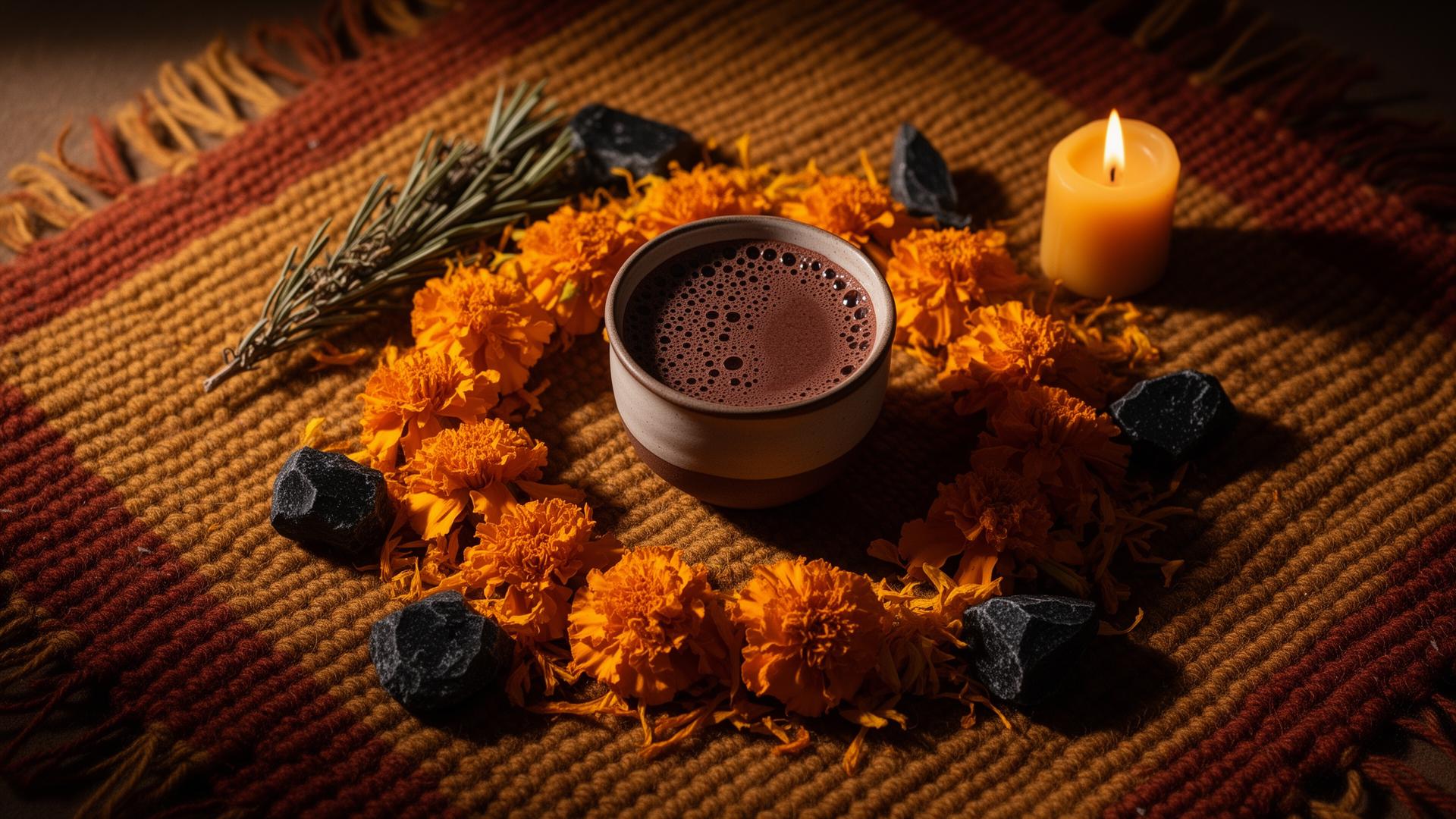
- 03Marigolds (cempasúchil), copal, palo santo, and beeswax candles are the most common accompaniments. Each has its own role: marigolds for the ancestors, copal to clean the air, palo santo to invite presence.
- 04Water is always nearby. Cacao asks the body to work; you should rehydrate after.
- 05Many traditions ask that you not drink cacao on a full stomach, and not within four hours of bedtime. The medicine is gentle but persistent.
§Regional brewing variations
There is no single 'correct' recipe. The water-and-chili version we brew at the trailer is closest to the K'iche' Maya tradition of the Guatemalan highlands, but cacao is prepared a dozen different ways across the Americas, each with its own logic.
- 01K'iche' Maya (Guatemala): hot water, chili, sometimes black pepper or allspice. Bitter, austere, deeply grounding. The closest thing to what was drunk before the Spanish.
- 02Q'eqchi' Maya (Alta Verapaz): cacao whisked with toasted corn masa into a thick atol, sweetened lightly with panela. A morning food as much as a drink.
- 03Mexica / Aztec revival (Mexico): cold-frothed with achiote (annatto), vanilla, chili, and sometimes a few drops of honey. Stained deep red — historically the color of blood and offering.
- 04Oaxacan tejate: a ceremonial cold drink combining cacao, toasted maize, mamey seed, and the dried flowers of rosita de cacao. Served in painted gourds at weddings, funerals, and Day of the Dead.
- 05Andean / modern syncretic: warm water, a half-teaspoon of raw honey, sometimes maca or a pinch of cinnamon. Softer than the Maya preparations and easier for newcomers.
- 06European-style ceremonial: warm oat or coconut milk instead of water, with cardamom and rose. Not traditional, but if it gets you to sit down with the cup, the elders we asked said: it counts.
§Contraindications and safety
Ceremonial cacao is food, not a pharmaceutical, but at ceremonial doses (28–42g of pure paste) it is far stronger than a piece of chocolate and deserves the same respect you would give a strong cup of coffee or a glass of wine. A few people should not drink it, or should drink it carefully:
- 01If you take SSRIs, MAOIs, or other antidepressants: cacao's MAOI-like compounds can interact. Talk to your prescriber, and start with a quarter dose if you proceed at all.
- 02If you have a heart condition, untreated high blood pressure, or take heart medication: theobromine raises heart rate and dilates vessels. Halve the dose, or skip it.
- 03During pregnancy or breastfeeding: ceremonial doses are higher in caffeine and theobromine than is generally advised. A small culinary amount is fine; a full ceremony is not.
- 04If you are sensitive to caffeine: a 30g cup contains roughly 50–80mg of caffeine plus around 450mg of theobromine. Do not drink within six hours of bedtime.
- 05Dogs, cats, and most pets: theobromine is acutely toxic to them. Keep ceremonial paste well out of reach.
If it is your first time, start with 20g instead of 30g. Sit with that cup for a full hour before deciding whether you want more next time. The medicine builds gently; there is no prize for the largest dose.
§After the cup: integration and journaling
The hour after a ceremonial cup is, in many traditions, more important than the brewing. The bean has done its small chemical work; what you do with the openness it creates is the actual ceremony. We keep a soft-cover notebook on the bar and offer it to anyone who wants to sit for a while after their cup. The prompts we use most often are simple.
- 01What did I bring into the cup that I do not need to carry out of it?
- 02Where in my body is the warmth right now? What is it next to?
- 03If a part of me wanted to speak today, what would it say in one sentence?
- 04What is one small kindness I could do, today, for the version of me from a year ago?
- 05Who in my life have I not thanked recently — and why not?
There is no right answer. Many days there is no answer at all, just a quieter mind and a warmer chest. That is enough. Cacao is not asking you to perform insight; it is asking you to slow down long enough to notice what is already there.
§Sourcing ethics: the part most articles skip
It would be dishonest to write a long piece on ceremonial cacao without naming the harder reality: most of the world's cacao is grown by farmers earning under $2 a day, on land that is being cleared faster than it can be replanted, with significant documented child labor in West Africa where roughly 70% of global supply originates. None of that cacao is ceremonial — but the line between commodity cocoa and 'ceremonial' branding is thinner than the marketing suggests.
When you buy ceremonial cacao, ask three questions: Who grew it? What were they paid? Is the variety and processing documented? A real ceremonial supplier will answer all three without hesitation, with names and numbers. If they cannot — if 'ceremonial' is just a word on the wrapper — what you are buying is dressed-up cocoa, and the prayer is missing from the bean.
The going commodity price for cocoa swung between $2,500 and $11,000 per metric ton in 2024–2025. We pay our co-op a flat $9,000/ton year-round, regardless of the market — which means our producers can plan, replant, and pay their pickers a real wage. This is not generosity; it is the actual cost of cacao that has been grown, fermented, and ground the way it should be. Anything cheaper is being subsidized by someone whose name you will never know.
It is not a drug. It is not a substitute for therapy or for a doctor. It will not, by itself, fix grief or anxiety or a hard month — and the curanderas we know would laugh, gently, at anyone who claimed otherwise. What it does is hold a small clear space in the day, and ask you to sit in it.
It is also not chocolate. Please do not confuse a $4 bar from the supermarket with the bitter, untouched paste that 100 generations of Mesoamerican women have prayed over. Buy it from people who source directly, who pay above commodity, and who can tell you the name of the farm. Drink it slowly. Drink it on purpose.
§Where ours comes from
Our ceremonial cacao is sourced from a women-led co-op in the Ecuadorian Amazon, working with heirloom Nacional cacao — the same variety that built the Ecuadorian chocolate trade in the 1800s, nearly lost, now coming back. The beans are fermented for six days in cedar boxes, sun-dried on raised platforms, lightly roasted in small batches, and stone-ground for 36 hours. We get it in 1kg bricks, three times a year.
If you want to try it, come find us at the trailer. We will brew you a small cup, with salt and chili, no sugar, and we will tell you the name of the farm. That is most of the ceremony, right there.